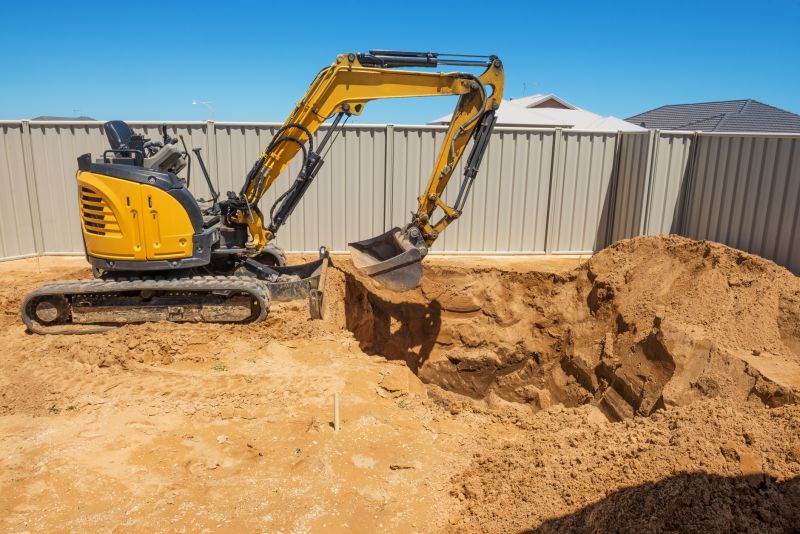
Pool Excavation in Atlanta, GA
Pool excavation services involve the removal of soil and earth to prepare a site for constructing a new swimming pool or modifying an existing one. This process includes digging the foundation, creating the pool basin, and ensuring the area is properly graded for drainage and stability. Homeowners often request this service when planning to install a new in-ground pool, whether for leisure, exercise, or aesthetic enhancement, as well as for renovations or enlargements of existing pools.
Before requesting pool excavation, property owners should consider factors such as the size and shape of the desired pool, the type of soil on the property, and any underground utilities that may be present. It’s also important to understand local regulations or permits required for excavation work. Clear communication about the project scope and site conditions can help ensure the excavation process proceeds smoothly and meets the specific needs of the property.
Many property owners in Atlanta, GA look into Pool Excavation for repairs, replacements, upgrades, and appearance-related improvements.
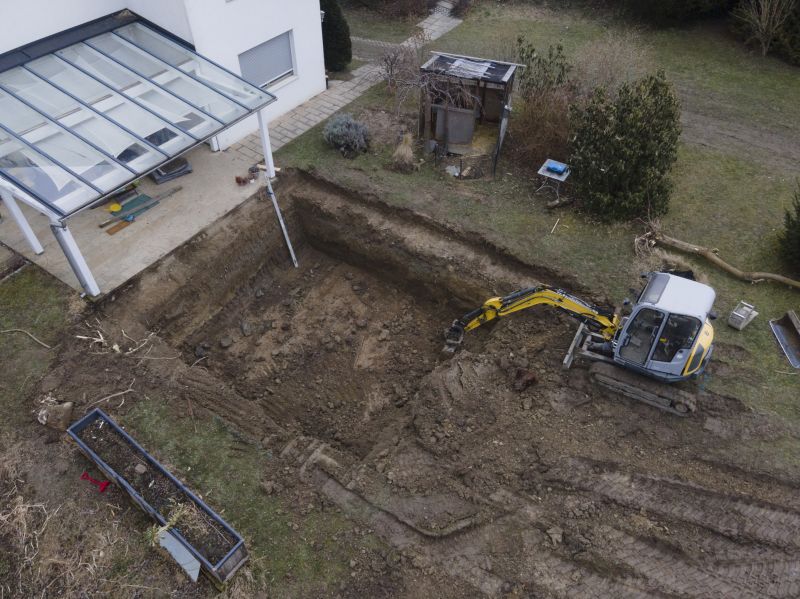
Pool Site Preparation
Proper excavation creates a stable foundation for a new pool.
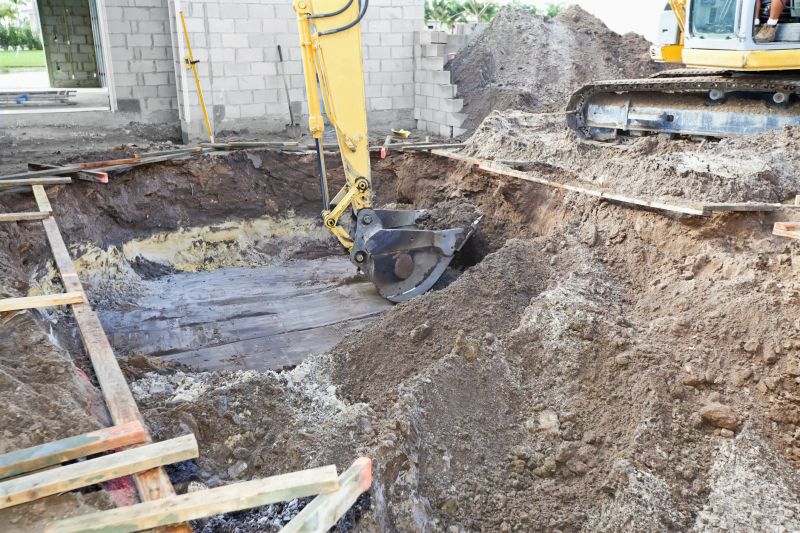
Excavation Techniques
Different methods are used to efficiently remove soil and shape the area.
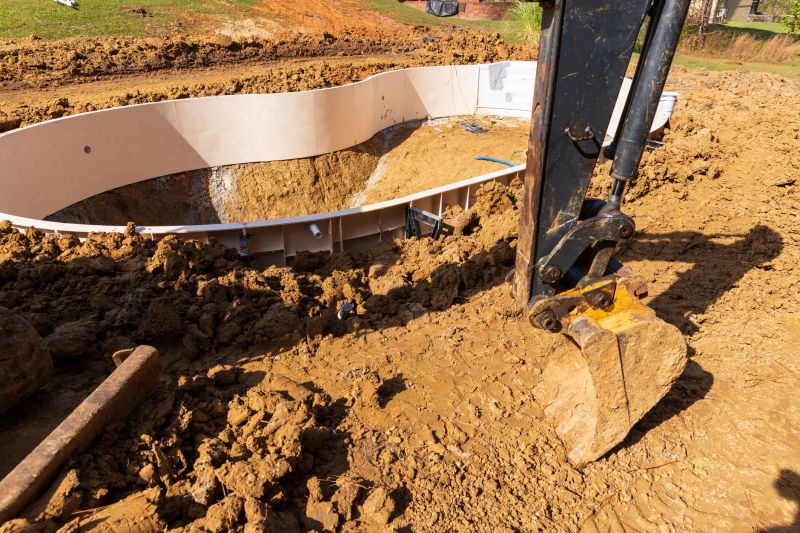
Property Enhancement
Excavation can improve the landscape and prepare outdoor spaces for future features.
Pool Excavation in Atlanta, GA
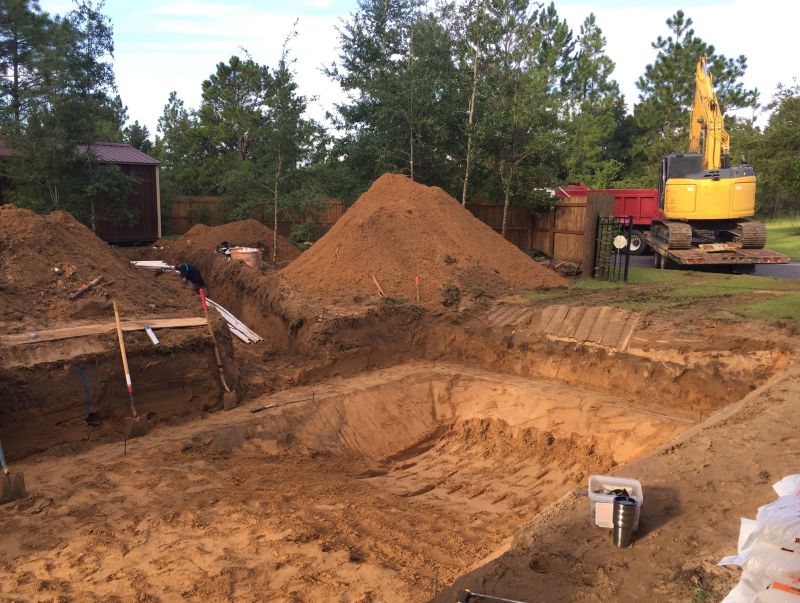
Pool excavation services involve the removal of soil and earth to prepare a site for constructing a new swimming pool or modifying an existing one. This process includes digging the foundation, creating the pool basin, and ensuring the area is properly graded for drainage and stability. Homeowners often request this service when planning to install a new in-ground pool, whether for leisure, exercise, or aesthetic enhancement, as well as for renovations or enlargements of existing pools.
Before requesting pool excavation, property owners should consider factors such as the size and shape of the desired pool, the type of soil on the property, and any underground utilities that may be present. It’s also important to understand local regulations or permits required for excavation work. Clear communication about the project scope and site conditions can help ensure the excavation process proceeds smoothly and meets the specific needs of the property.
Many property owners in Atlanta, GA look into Pool Excavation for repairs, replacements, upgrades, and appearance-related improvements.
Common Pool Excavation Jobs
Pool excavation involves removing soil to create the foundation for a new swimming pool.
In-ground pool removal includes excavating and dismantling existing pools for property renovation.
Spa and hot tub excavation prepares the site for installing or replacing outdoor spas.
Landscape reshaping involves excavating to alter yard contours or prepare for features like patios.
Water feature excavation includes digging for ponds, waterfalls, or other decorative water elements.
Site preparation for pool installation ensures a level, stable base for construction and long-term durability.
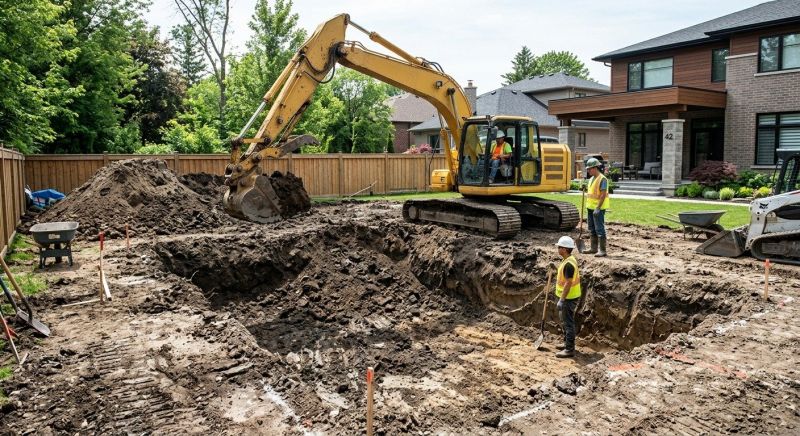
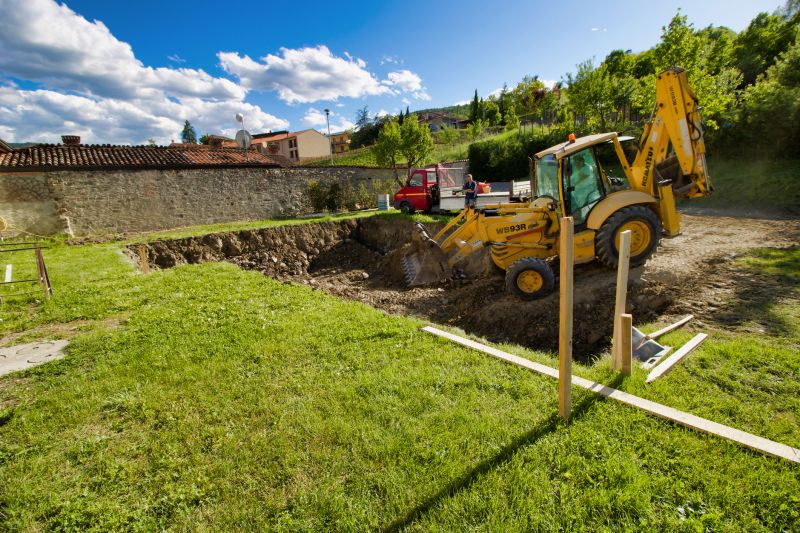
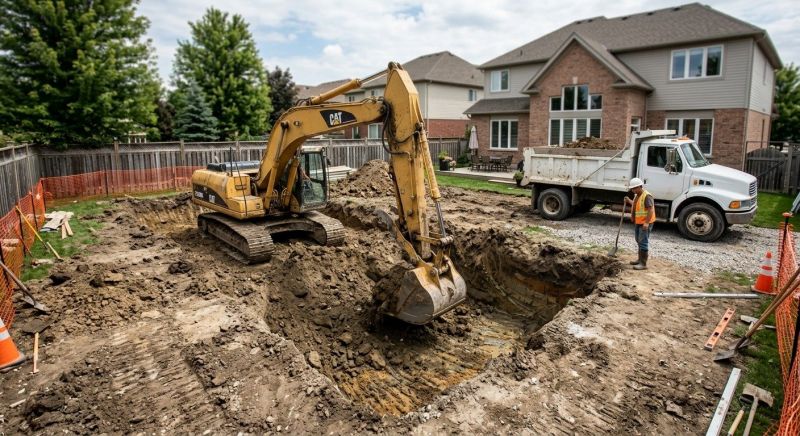
Pool Excavation Questions
What is involved in pool excavation? Pool excavation includes removing soil and creating a foundation for the pool structure, ensuring proper dimensions and levelness for installation.
What types of pools require excavation services? Excavation services are needed for in-ground pools such as vinyl liner, fiberglass, or concrete pools that are built below ground level.
Why is proper excavation important for a pool project? Proper excavation ensures the pool is level, stable, and correctly sized, which helps prevent future issues like shifting or cracking.
What should property owners consider before excavation? It's important to assess the site for underground utilities, soil stability, and any local regulations that may affect the excavation process.
Request Pool Excavation in Atlanta, GA
Use the quote form on this page to share the basics of your project and request more information for the type of work you need.